 Learn More
When Is the Next Full Moon? 2026 Lunar Calendar with Exact Dates & Best Viewing Tips
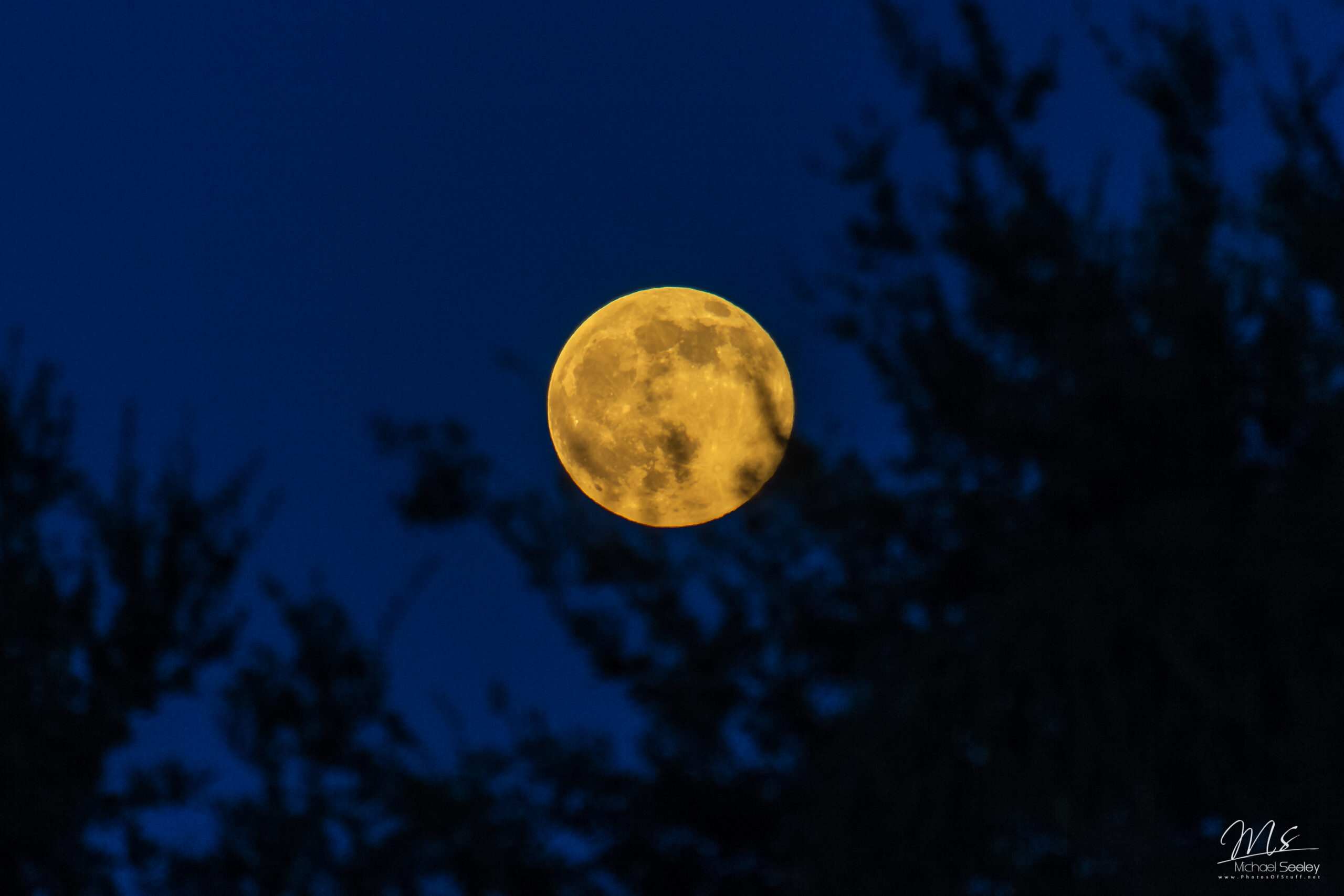
The next full moon in 2026 rises on January 10 at 14:27 UTC — known as the Wolf Moon. This marks the first of 12 full moons that will illuminate the night sky throughout the year. The moon will appear fully lit from Earth's perspective for about three days, making it visible even if cloud cover blocks the exact moment of peak illumination.
Key facts you need to know:
Duration of full illumination: Only a few minutes at the exact peak, but the moon appears full for ~72 hours.
Best viewing time: Moonrise at sunset; highest in the sky around midnight.
Cultural significance: Each full moon has traditional names tied to seasonal events, agriculture, and animal behavior.
Tools to track it: NASA’s Moon Phase Calendar, Moon Phase Calendar+ app, or TimeandDate.com for precise moonrise/moonset times.
Quick summary:
🌕 Next full moon: January 10, 2026 (Wolf Moon)
📅 All 12 full moons in 2026: See exact dates below
🌍 Best viewing: Moonrise at sunset (check local times)
🔭 Tools: NASA, apps, or binoculars for clear observations
🌑 Moon phases: Track from new moon to full moon every 29.5 days
---
What Is a Full Moon? The Science Behind the Lunar Cycle
A full moon occurs when Earth is positioned directly between the sun and the moon, allowing the entire face of the moon visible from Earth to be fully illuminated by sunlight. This alignment happens approximately every 29.5 days, known as a synodic month, as the moon completes its orbit around Earth.
🔍 Key scientific details:
Opposition: The sun and moon are on opposite sides of Earth (180° apart).
Peak illumination: Lasts only a few minutes, but the moon appears full for about three days due to its slow movement.
Tidal effects: Slightly stronger tides occur during this alignment when the gravitational pull of the sun and moon combine.
💡 Pro tip: The full moon rises at sunset and sets at sunrise, making it visible all night long. Cloud cover or light pollution can significantly reduce visibility, so check local weather forecasts before planning your observation.
Common misconceptions:
❌ The moon is not always fully illuminated — only during this phase.
❌ The "dark side" of the moon isn’t visible from Earth; we only ever see one side due to tidal locking.
❌ A "supermoon" isn’t guaranteed every month — it depends on the moon’s proximity to Earth (perigee).
---
2026 Full Moon Calendar: Exact Dates, Times & Traditional Names
Below is the complete list of all 12 full moons in 2026, including exact UTC times, traditional names, and zodiac signs. Times may vary slightly by location due to time zones and the moon’s distance from Earth.
# | Full Moon Name | Date | Time (UTC) | Zodiac Sign | Notes |
|---|---|---|---|---|---|
1 | Wolf Moon | Jan 10 | 14:27 | Cancer | First full moon of the year |
2 | Snow Moon | Feb 9 | 02:56 | Leo | Named for February snowfall |
3 | Worm Moon | Mar 10 | 14:27 | Virgo | Marks spring’s arrival |
4 | Pink Moon | Apr 9 | 02:56 | Libra | Named for wildflowers |
5 | Flower Moon | May 8 | 14:50 | Scorpio | Peak of spring blooms |
6 | Strawberry Moon | Jun 7 | 03:11 | Sagittarius | First summer full moon |
7 | Buck Moon | Jul 6 | 17:57 | Capricorn | Bucks grow new antlers |
8 | Sturgeon Moon | Aug 5 | 06:54 | Aquarius | Named for abundant fish |
🔴 Lunar Eclipse | Aug 5 | 06:54 | Aquarius | Partial eclipse visible globally | |
9 | Harvest Moon | Sep 3 | 17:57 | Pisces | Closest to autumn equinox |
10 | Hunter’s Moon | Oct 3 | 03:11 | Aries | Ideal for hunting by moonlight |
11 | Beaver Moon | Nov 1 | 20:57 | Taurus | Named for beaver trapping season |
12 | Cold Moon | Dec 1 | 10:09 | Gemini | Marks start of winter |
📌 Important notes:
UTC times are standardized; convert to your local time zone (e.g., EST = UTC-5).
Lunar eclipses only occur when the moon passes through Earth’s shadow during this event.
Blue moon? None this year — a blue moon is the second full moon in a single calendar month, which happens roughly every 2.7 years.
Solar eclipse: A total solar eclipse occurs on August 12, 2026, but the moon will be new and invisible during this event.
🔗 Source: NASA Lunar Calendar
---
How to Track the Moon Phases: Best Tools & Methods
Tracking the lunar cycle requires more than just checking a calendar. Here’s how to accurately monitor the next full moon and all phases from new moon to full moon:
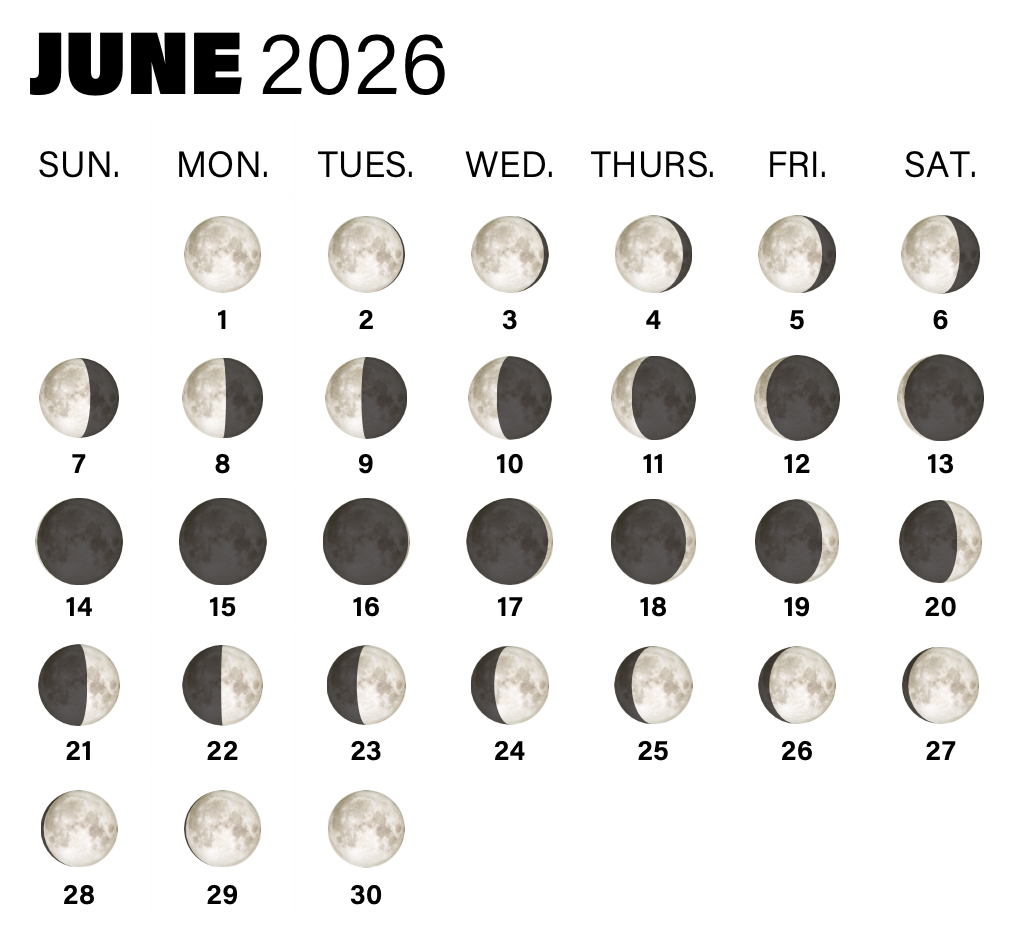
🛠️ Reliable Online Tools & Apps
NASA Moon Phase Calendar (free, real-time updates)
Moon Phase Calendar+ (iOS/Android, includes alerts)
TimeandDate.com (moonrise/set times for any location)
Stellarium Web (planetarium-style tracking)
PhotoPills (for photographers planning moonrise shots)
👁️ Naked-Eye Observations
Waxing phases (growing light): The moon rises later each day as it moves from new to full. The first quarter moon is visible about one week after the new moon.
Waning phases (shrinking light): The moon rises earlier and sets in daylight during the last quarter.
Full moon: Rises at sunset, sets at sunrise — visible all night when fully illuminated.
📸 Photography Tips
Best gear: DSLR/mirrorless camera with a 200-400mm lens or smartphone with telephoto attachment.
Settings: ISO 100-400, aperture f/8, shutter speed 1/125s for sharp moon details.
Timelapse: Capture the moon’s movement over 2+ hours using interval shooting.
💡 Pro tip: Use apps like PhotoPills or Sun Surveyor to plan shots with foreground elements during the waxing crescent phase.
---
Best Time to Observe the Full Moon: Moonrise, Moonset & Visibility
To see the next full moon at its best, timing and location matter. Here’s what you need to know about optimal viewing conditions when Earth and the moon align:
🌅 Moonrise & Moonset Times
Phase | Best Time | Visibility |
|---|---|---|
Moonrise | Sunset | Full disk visible upon rising (look east) |
Peak Altitude | Midnight | Highest in the sky (best for photography) |
Moonset | Sunrise | Low on the western horizon |
📍 Location Tips for Best Views
Avoid light pollution: Use Dark Sky Finder to locate pristine skies.
Elevated spots: Mountains, rooftops, or open fields improve visibility.
Weather check: Clear skies are critical — use Windy.com or AccuWeather for cloud forecasts.
🔭 Equipment for Better Viewing
Binoculars (7x50 or 10x50): Reveal craters and lunar maria during the first quarter.
Telescope (60mm+ aperture): Best for detailed surface observations.
Smartphone adapters: Allow steady shots with telephoto lenses during perigee.
⚠️ Common mistakes to avoid:
Expecting a "supermoon" every month — this year has none, despite the moon’s orbit bringing it closer at perigee.
Ignoring atmospheric distortion near the horizon (the "moon illusion" makes it appear larger).
---
Lunar Eclipses in 2026: Dates & What to Expect
This year features two partial lunar eclipses, both visible from large portions of the globe. Here’s what to watch for when Earth’s shadow falls on the moon:
🌑 Partial Lunar Eclipse – March 3, 2026
Visibility: Americas, Europe, Africa, parts of Asia
Maximum eclipse: 11:30 UTC (Moon enters Earth’s umbra)
Duration: ~1 hour 6 minutes of partial shadow
What to see: A "bite" taken out of the moon’s edge during the waxing gibbous phase
🌒 Partial Lunar Eclipse – August 28, 2026
Visibility: Americas, Europe, Africa, Middle East
Maximum eclipse: 06:18 UTC
Duration: ~1 hour 16 minutes
What to see: Similar to March’s eclipse, but the shadow appears deeper
🔍 How eclipses work:
Only occur when Earth and the moon align with the sun during new or full phases.
Total eclipses turn the moon red ("Blood Moon") — none this year.
Penumbral eclipses (subtle shading) are harder to observe when the moon passes through Earth’s outer shadow.
📅 Source: NASA Eclipse Explorer
---
Full Moon Names & Cultural Meanings: From Wolf to Cold Moon
Each full moon has traditional names tied to seasonal events, agriculture, and animal behavior. Here’s the breakdown:
Full Moon Name | Month | Cultural Meaning |
|---|---|---|
Wolf Moon | January | Named by Native American tribes for wolves howling in winter |
Snow Moon | February | Reflects heavy snowfall in North America |
Worm Moon | March | Indicates earthworm emergence as soil thaws |
Pink Moon | April | Named for pink phlox flowers (not the moon’s color) |
Flower Moon | May | Celebrates peak spring blooming season |
Strawberry Moon | June | Marks start of strawberry harvesting |
Buck Moon | July | Bucks begin growing new antlers |
Sturgeon Moon | August | Named for abundant sturgeon fish in Great Lakes |
Harvest Moon | September | Closest to autumn equinox; aided farmers at night |
Hunter’s Moon | October | Ideal for hunting by moonlight before winter |
Beaver Moon | November | Named for beaver trapping season |
Cold Moon | December | Signals start of the coldest season |
⚠️ Myth-busting:
The Strawberry Moon isn’t pink — it’s named after the fruit, not its appearance.
The Harvest Moon isn’t always in September — it’s the one closest to the autumn equinox (can be October in some years).
The moon is often called a "half moon" during first and last quarters, but it’s actually the first quarter moon we see clearly.
---
Will There Be a Blue Moon in 2026? Myths & Facts
No — there will be no blue moon in 2026.
A blue moon is defined as the second full moon in a single calendar month, which occurs roughly every 2.7 years. Since 2026 has 12 full moons (one per month), there’s no opportunity for a second full moon in any month.
📌 Fun fact: The term "blue moon" has nothing to do with the moon’s color — it’s purely a calendar phenomenon. Occasionally, the moon can appear blue due to atmospheric conditions (e.g., smoke or volcanic ash), but this is extremely rare.
🔍 Historical context:
The modern definition comes from a 1946 Sky & Telescope magazine article that misinterpreted the term.
The older definition referred to the third full moon in a season with four full moons (instead of the usual three).
---
How to Photograph the Full Moon: Timelapse & Moonrise Tips
Capturing the next full moon requires patience, the right gear, and planning. Here’s how to get stunning shots:
📷 Essential Gear
Item | Recommendation |
|---|---|
Camera | DSLR/mirrorless (full-frame preferred) |
Lens | 200-400mm telephoto (or 70-300mm) |
Tripod | Sturdy (wind can shake shots) |
Remote shutter | Reduces camera shake |
Polarizing filter | Reduces glare |
🎯 Camera Settings
Aperture: f/8–f/11 (sharpness sweet spot)
ISO: 100-400 (lower for less noise)
Shutter speed: 1/125s to freeze motion
White balance: Daylight (5000K-6500K)
🌅 Best Times for Photography
Moonrise: When the moon is low on the horizon (creates dramatic foreground shots).
Peak altitude (midnight): When the moon is highest in the sky (best for detail).
💡 Pro tip: Use PhotoPills to plan shots with the moonrise aligned with landmarks (e.g., mountains, buildings).
---
Full Moon Folklore & Myths: Superstitions & Stories
These events have inspired countless myths, superstitions, and legends across cultures. Here’s a look at some of the most fascinating stories:
🌍 Ancient Myths
Greek: Artemis (goddess of the moon) hunted under the full moon.
Roman: Diana’s silver bow shone brightest during this phase.
Chinese: The Jade Rabbit pounds the elixir of immortality.
Native American: A time for storytelling and ceremonies.
🧛 Modern Superstitions
Werewolves: Medieval folklore claimed this triggered transformations.
Insomnia: Some believe it disrupts sleep (studies show no strong evidence).
Agriculture: Farmers planted/harvested based on the lunar cycle.
🎬 Pop Culture References
Movies: An American Werewolf in London (1981), Twilight (2008)
Music: Bad Moon Rising (Creedence Clearwater Revival), Moonlight Sonata (Beethoven)
Literature: The Werewolf (Angela Carter), Moonstruck (Sarah Addison Allen)
🔍 Fact check: Most superstitions lack scientific backing, but they add to the mystique of the gravitational dance between Earth and its satellite.
---
Frequently Asked Questions About the Next Full Moon
When is the next full moon in 2026?
The next full moon rises on January 10, 2026, at 14:27 UTC (Wolf Moon). It will be fully illuminated from Earth’s perspective and visible all night long.
What are the names of all 12 full moons in 2026?
See the full list in the 2026 Full Moon Calendar above. Names include Wolf Moon (Jan), Snow Moon (Feb), Worm Moon (Mar), and so on.
How often does a full moon occur?
A full moon happens approximately every 29.5 days, known as a synodic month. This is the time it takes for the moon to complete one orbit around Earth.
What’s the difference between a full moon and a blue moon?
A full moon is the phase when the moon is fully illuminated from Earth’s perspective. A blue moon is the second full moon in a single calendar month (which doesn’t occur in 2026).
When is the best time to see the full moon?
The best time is moonrise at sunset (look east) or peak altitude around midnight. Highest visibility occurs in dark sky locations away from light pollution.
Will there be a supermoon in 2026?
No — while the moon’s orbit brings it closer to Earth at times, none of the 2026 full moons qualify as supermoons (defined as full moons within 90% of perigee).
How do lunar eclipses work?
A lunar eclipse occurs when Earth’s shadow falls on the moon during a full moon. In 2026, there are two partial eclipses (March 3 and August 28).
What tools can I use to track the moon phases?
NASA Moon Phase Calendar (official source)
Moon Phase Calendar+ (mobile app)
TimeandDate.com (local moonrise/set times)
Stellarium Web (interactive planetarium)
Can you see a full moon during the day?
No — the full moon rises at sunset and sets at sunrise, so it’s only visible at night. However, you can see it in twilight just after sunset or before sunrise.
Why does the moon look bigger near the horizon?
This is the "moon illusion" — a psychological effect where the brain perceives the moon as larger when it’s near the horizon compared to when it’s high in the sky.
---
Ready to observe the next full moon?
📅 Mark your calendar for January 10, 2026 (14:27 UTC).
🔭 Check local moonrise times using TimeandDate.com.
🌍 Find a dark sky location to get the best view.
Don’t miss the first full moon of 2026 — the Wolf Moon awaits! 🌕
